




The Gabriel Difference









Testimonials
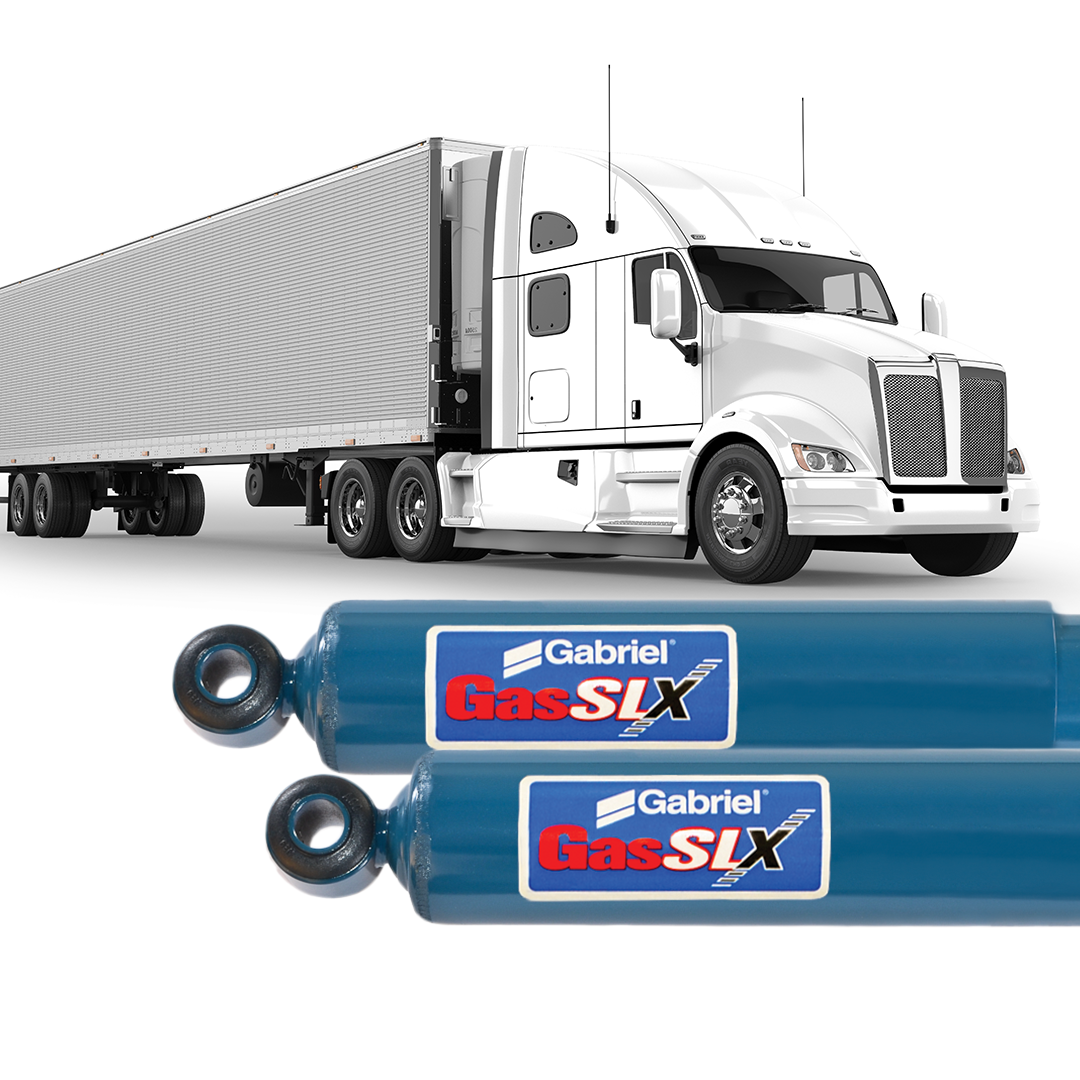
GasSLX Severe Duty Commercial Vehicle Shocks
"Brooks Diesel Service has been selling Gabriel GasSLX shocks for several years. We get great feedback from customers and haven't had any warranty claims to date. We feel like the GasSLX series is a good upgrade over the stock shocks and feel good recommending them to our customers." - Cody Brooks
Brooks Diesel Service
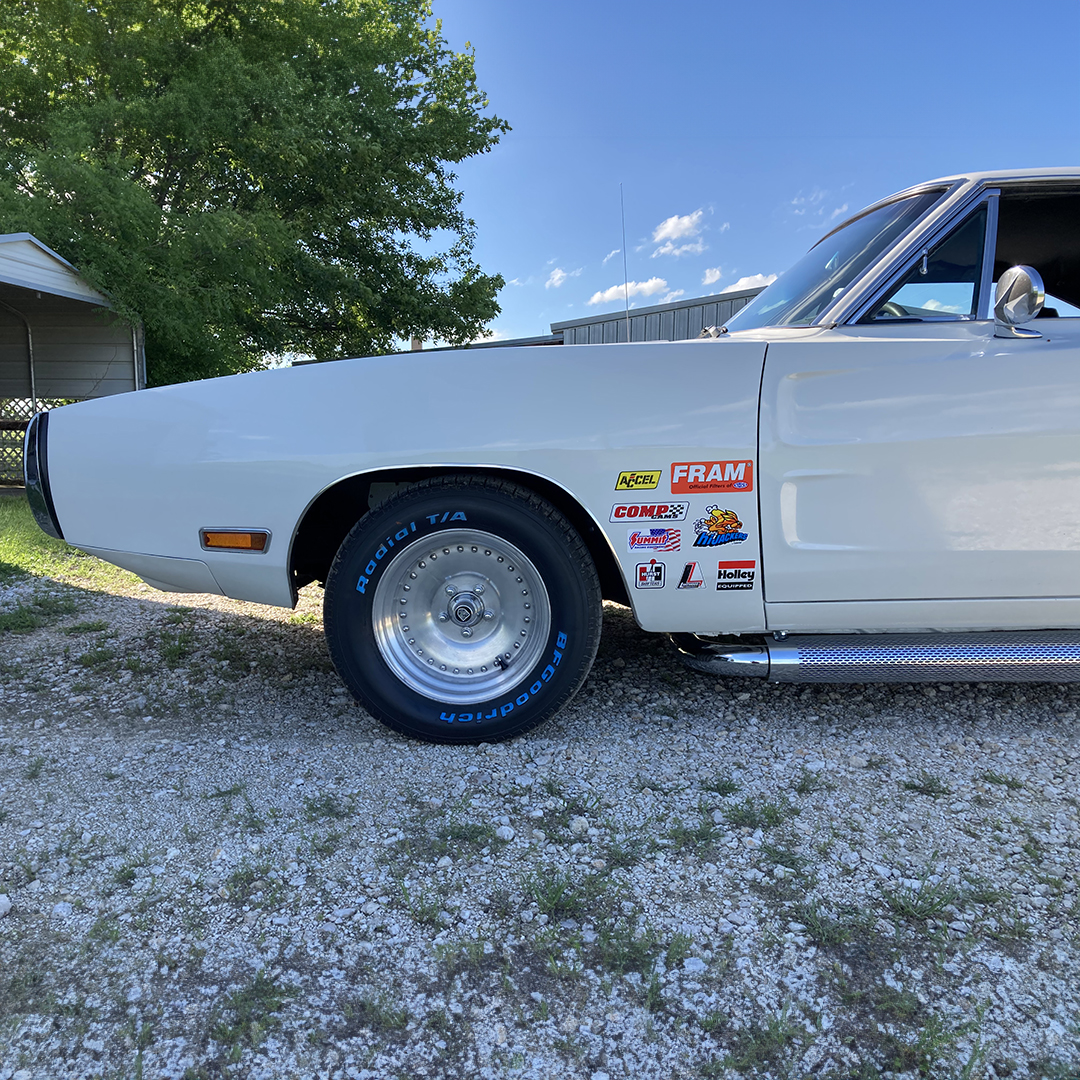
Ervin Middlebrook
HiJackers on a 1970 Dodge Charger 500: “I have used Gabriel shocks for years (decades). They are easy to install and hold air better than the competition (I don’t speak from experience but I do hear the complaints from my friends. I recommend them but you can’t convince everyone). I have driven a street machine type vehicle since I started driving in 1981 and enjoy big tires in the rear. The HiJackers always give me the stance I’m looking for. I proudly display the HiJacker decal on my car.” -Ervin in TX
Abbott, TX
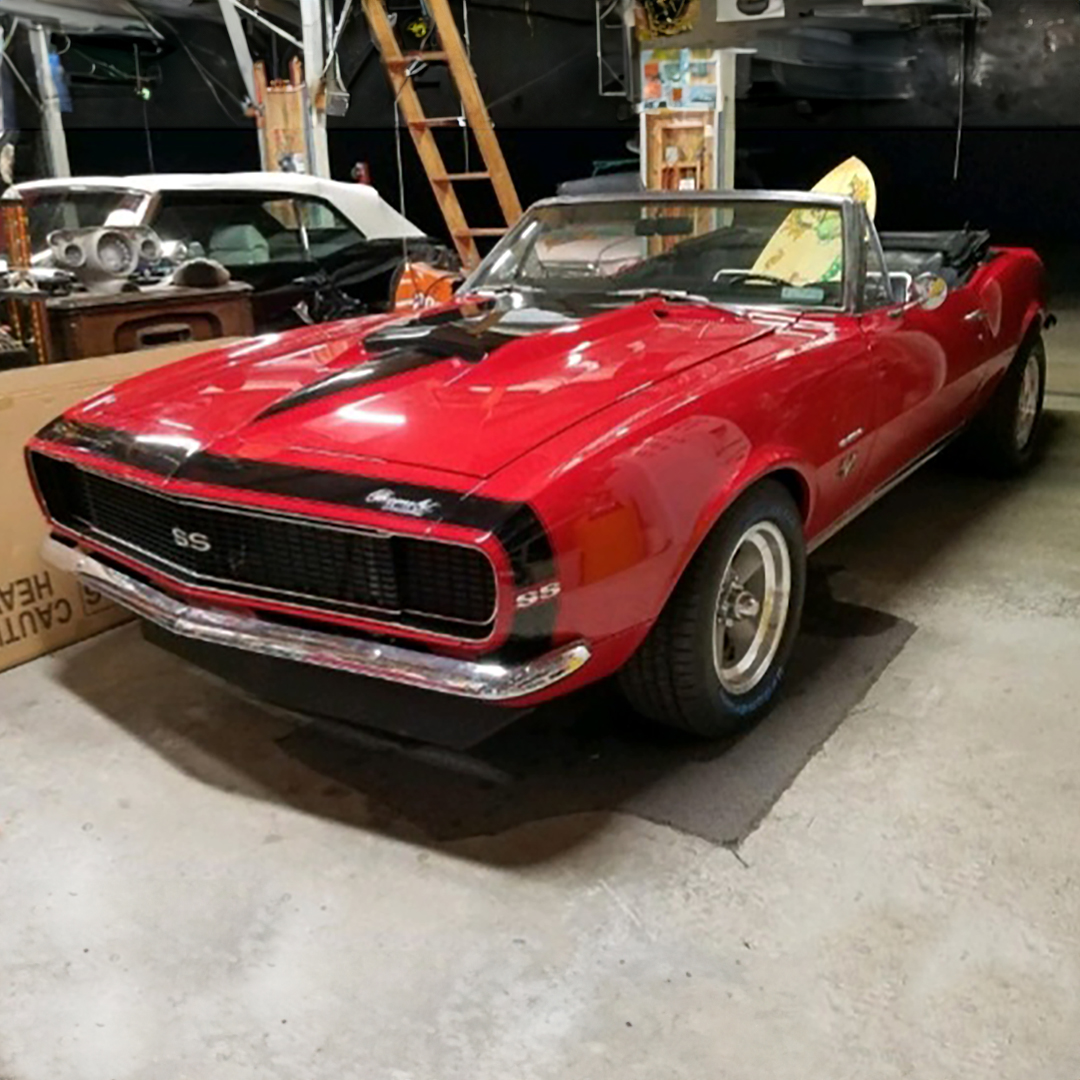
Steve Chase
“Been buying Gabriel Shocks for over 50 years! I’m retired and a classic car hobbyist!""
Tallahassee, FL
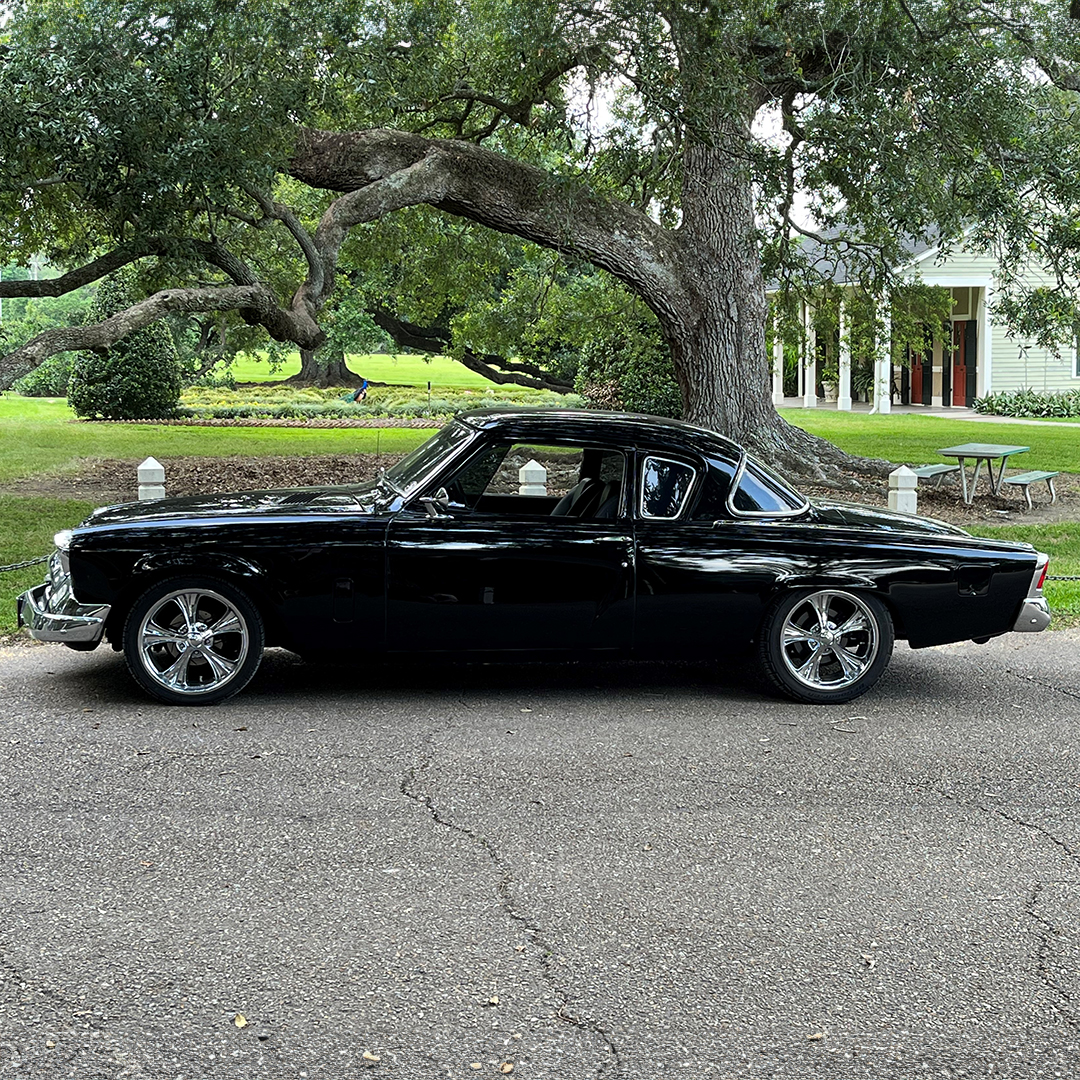
Hewitt Wheless
Classics on a 1955 Studebaker Commander: “Replaced other brand with Classic rear Gabriel Shocks – good ride! Now need to raise rear of car about another ¾ inch for new exhaust clearance. Air shocks are better choice than having springs reworked plus better ride!” - Hewitt from Long view
Longview, TX
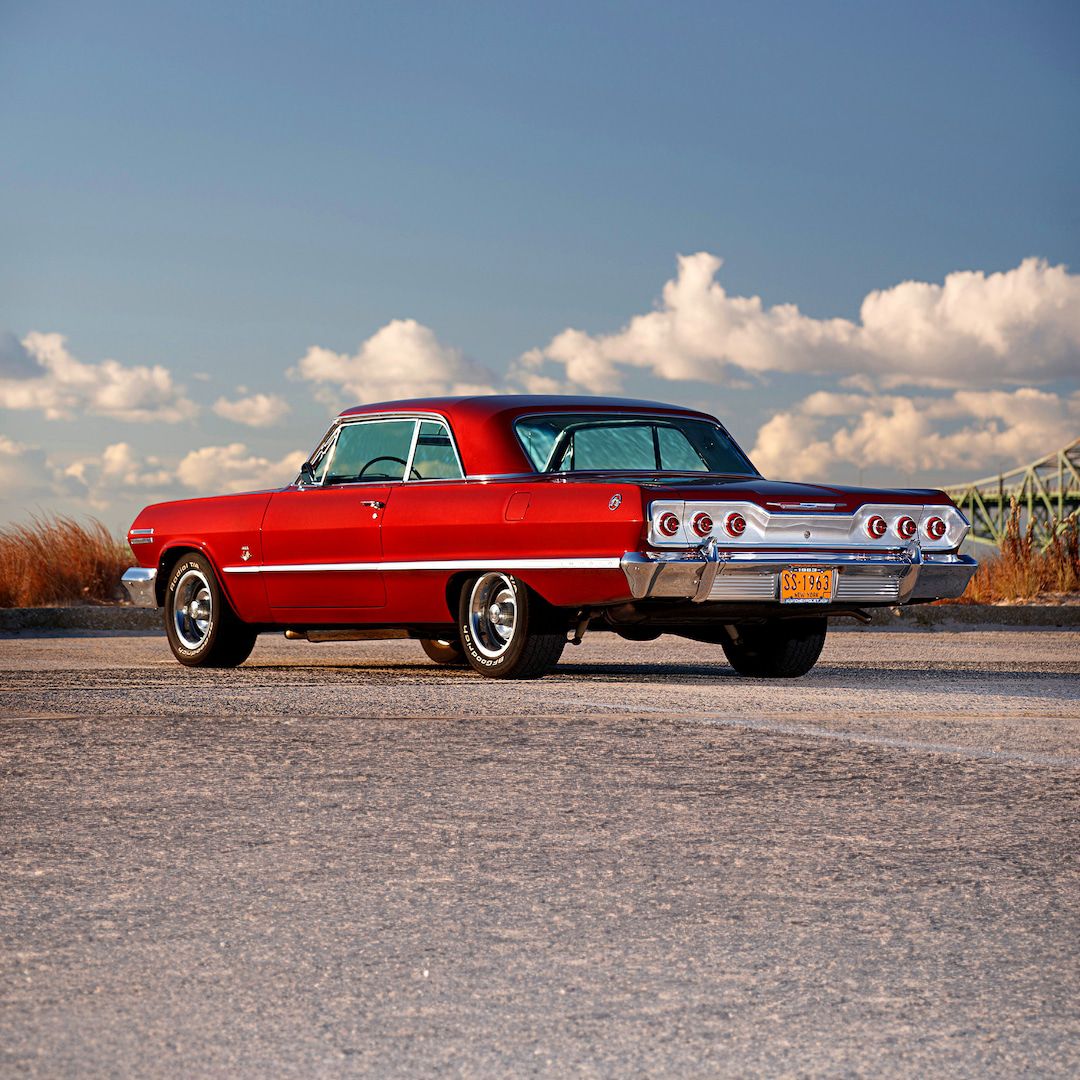
Henry Pagliocca
"I installed a set of Gabriel HiJacker shocks in my 1963 Impala SS over five decades ago. In all that time & miles, they have performed flawlessly. Outside of one repaint when the car was refreshed some twenty years ago, they have never needed servicing. It has been my pleasure and joy to peek under my Impala and see those white shocks doing their job. They're just one of those great products!"
Holbrook, NY
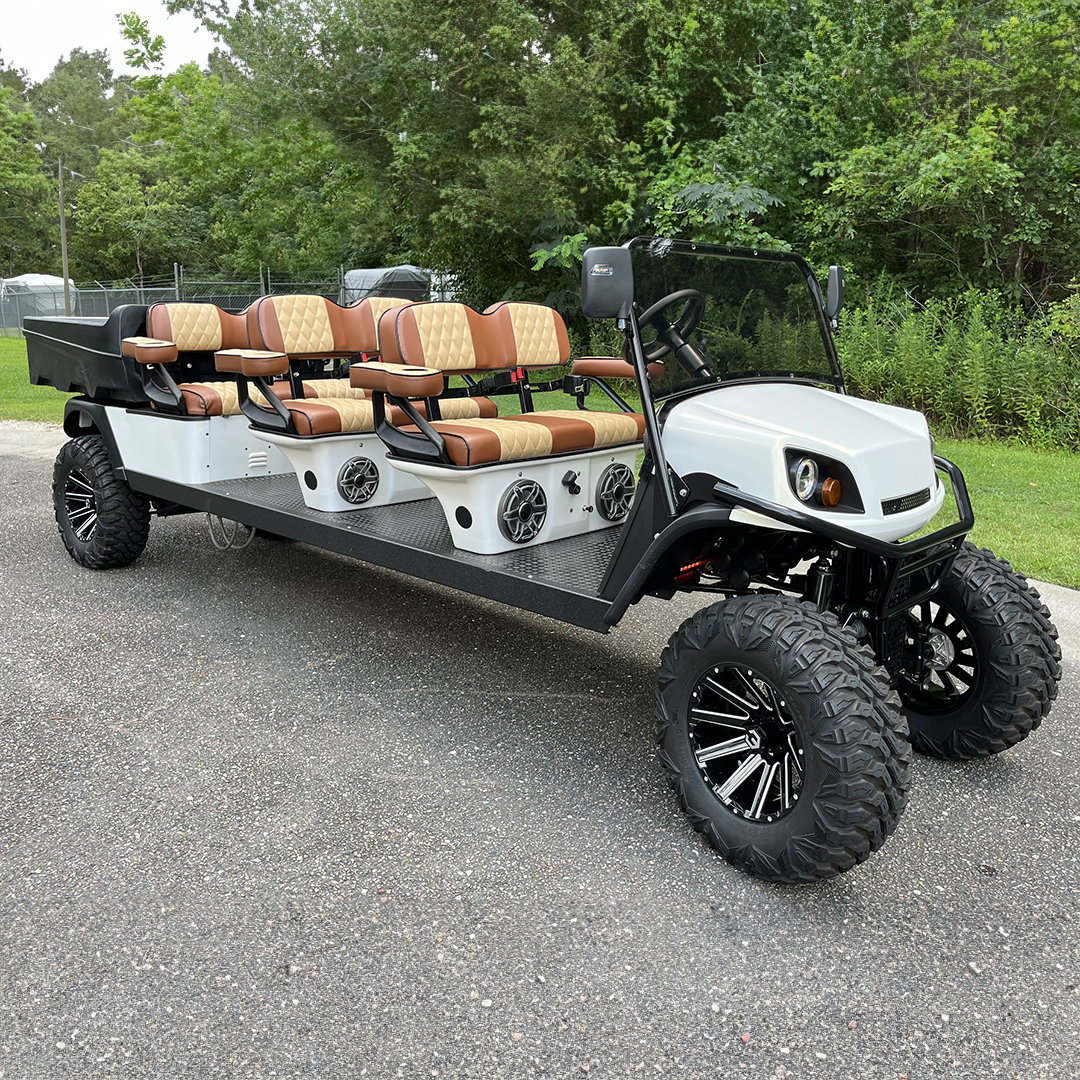
Wenn Biletzskov
Hi Jackers on a 2001 E-Z-Go Workhorse golf cart: “Ken and Ted [in Gabriel's Tech Service] helped me select the right shock for my application. Many people have used the HiJacker shocks to lower carts, buy not many have used them to lift a cart. With their help and a little internet research, I was able to install the HiJacker shocks in place of the coil over springs in the front of the cart allowing the front to adjust from 4" of lift, to around 8" of lift. The rear of the cart also has HiJacker shocks, and it fully adjustable on the fly as well. The cart is able to not only lift the front separate from the rear, but each wheel is on its own switch, so full adjustability for all corners.” - Wenn from Hanahan
Hanahan, SC
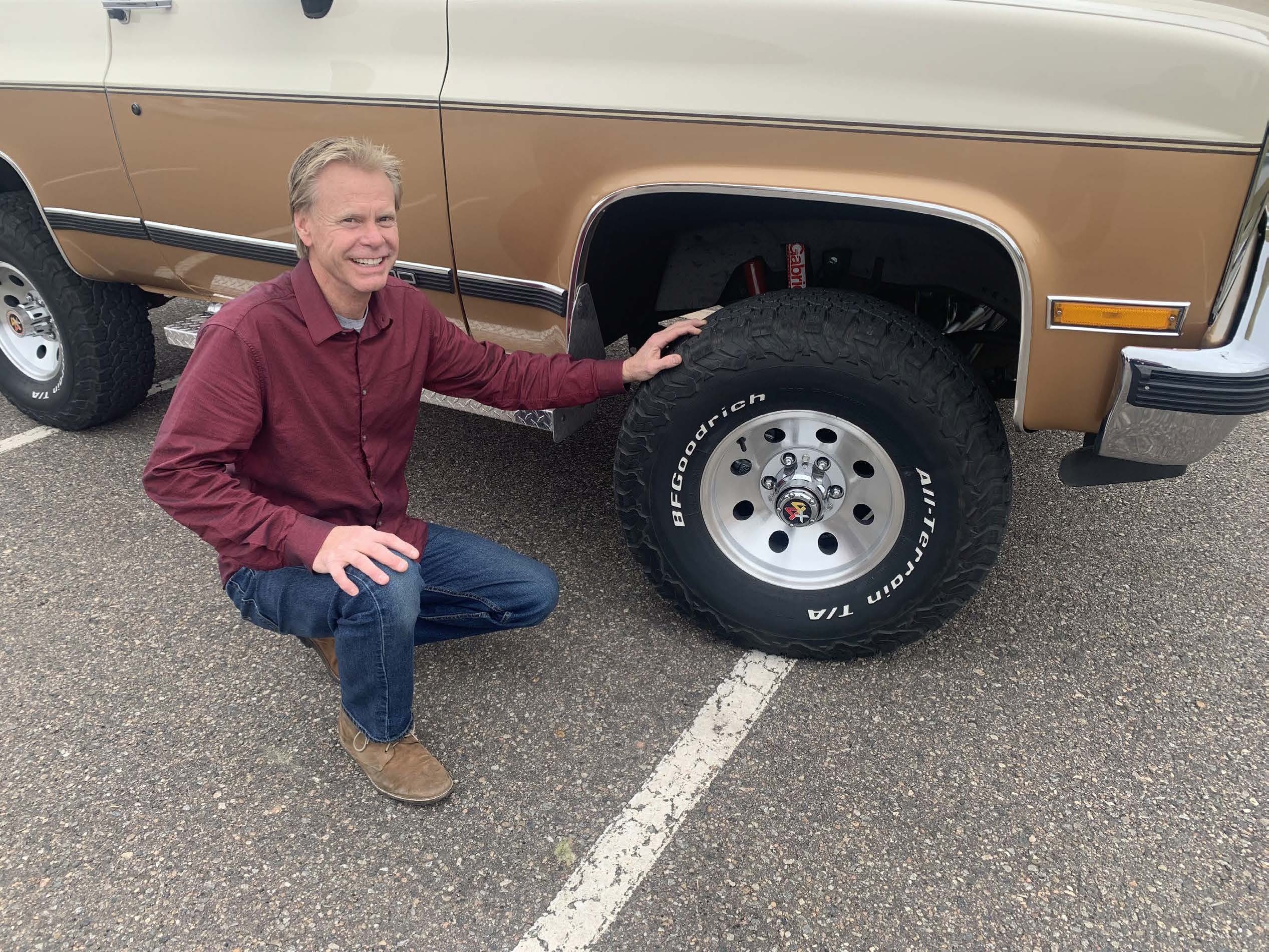
David Hemenway
"I have really enjoyed the Gabriel shocks on my GMC Jimmy and they provide a perfect ride with a very clean OEM style and appearance that compliments the trucks originality. The red color is also a nice departure from so many black or yellow ones on the market. I will use Gabriels any chance I can get now." Thank you, David and Jimmy in Denver
Denver, CO
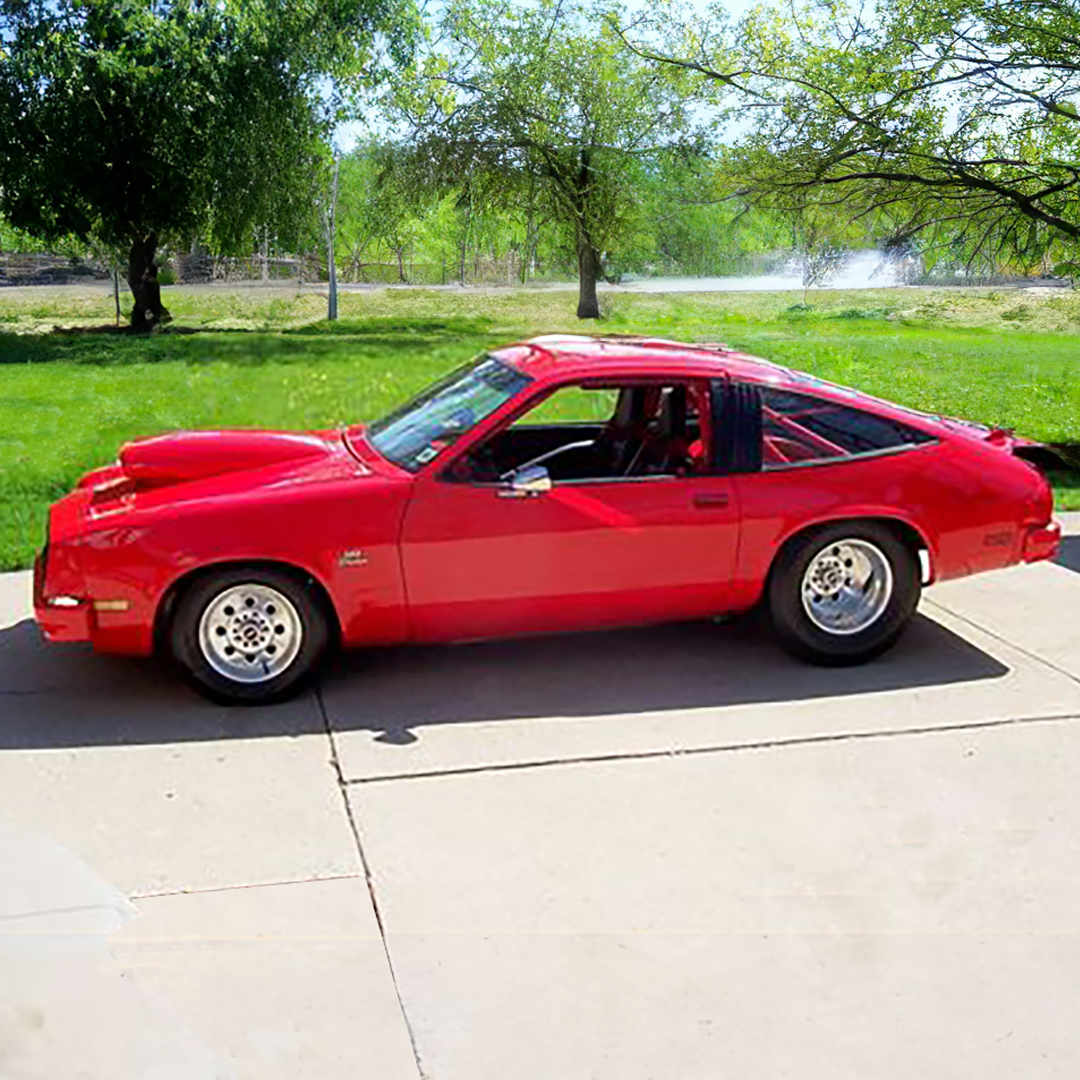
Gabriel Gas Shocks on a 1977 Chevy Monza ProStreet
"Quality shocks right out of the box! Never an issue for 6 years of racing." - David W. from Milwaukee
Milwaukee, WI
Bill LeGall
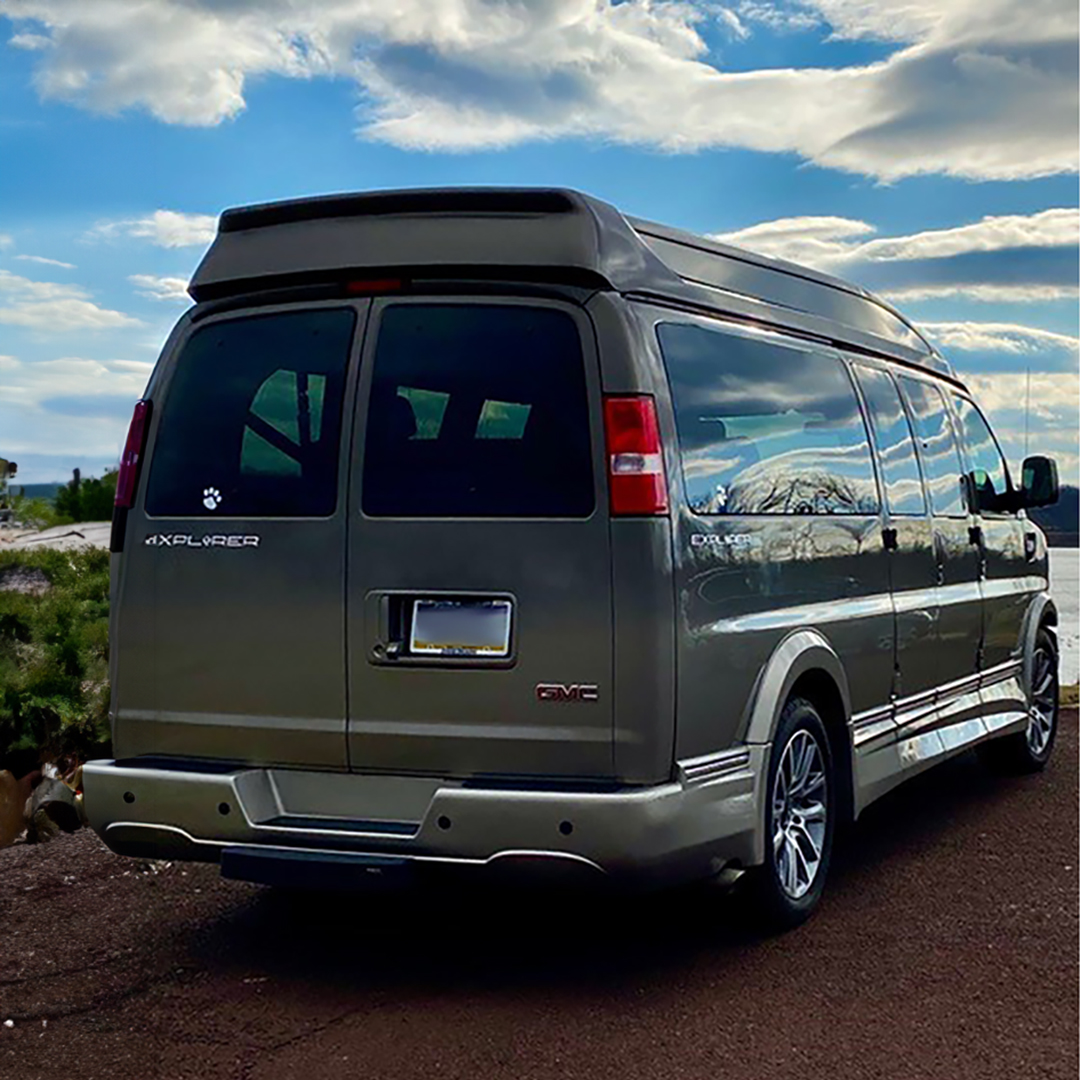
"We have a 2019 GMC Savana 2500 Long W-B Explorer Vista-Cruiser Conversion Van. Rode really bad with the stock shocks. Purchased Bilstein dampers, which were a good improvement, but there was still a “tugging” sensation, from the heavy 20” wheels, combined with the chassis being “torqued” on mildly-rough roads. Did not ride level, whatsoever, front to rear. Rattles in dash. I remembered getting “unreal” results, decades ago, from Gabriel “Super-E” shocks. So, I decided to research your current models. Watched your excellent YouTube “selection” video, was impressed! So I ordered the MaxControl for the rear and “Ultra” for the front. The results: Like going from a tri-hull fiberglass boat, to classy wooden v-hull. The improvement in ride quality is staggering!!! What I discovered….. 1- On absolutely any paved road, including concrete, there is zero jarring. I see the undulations, and yet the ride remains relaxed. Tried to find surfaces that would “fluster” your product, to no avail. 2- No feeling of the chassis being “torqued”, which I had “assumed” was less than robust design. I thank God, I was wrong. 3- Near-flat (!!!) front to rear ride quality. It previously had the most annoying sensation, in this area. Almost as though it has “Interacting/Interconnecting Torsion Bar Suspension” (Ala 1956 Packard). 4- Audible dashboard-rattles 100% gone 5- Rollercoaster-bumps are perfectly damped and controlled, without the trade-off of rough ride. 6-No longer the feeling of the heavy 20” wheels, tossing their weight around, in a most annoying way. 7- Cornering is so well controlled, that there is no need for a rear-roll-bar. I have all sorts of cars and do all my own “wrenching” for decades. Also, a crazy perfectionist. With my experience, I fully understand that what the Gabriel team has developed, is a near-impossible feat. For my auto-enthusiast-Wife, and I, to be in shock is amazing! Thank you Gabriel!" - Bill in Lansdale
Lansdale, PA
Drew Gietman
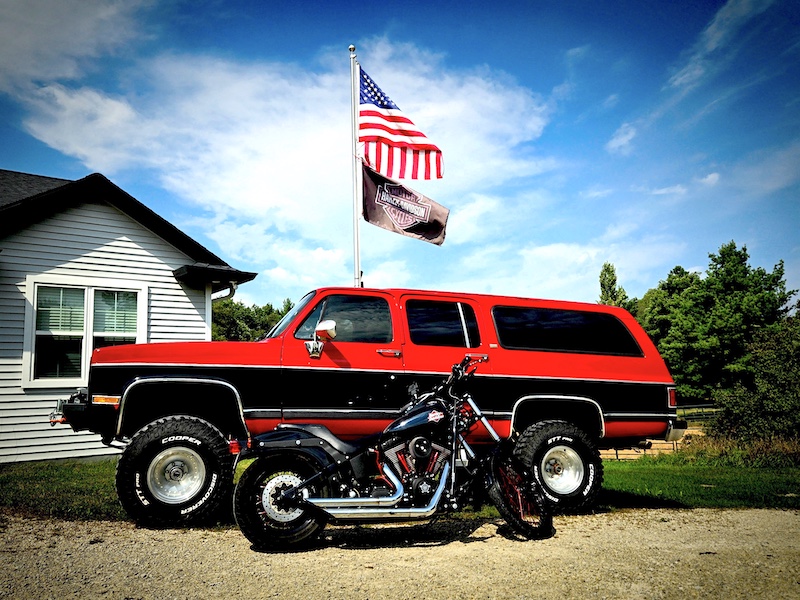
"I have tried several different suspension setups for this rig. Having solid axles and heavy leaf spring suspension, I found myself constantly disappointed in the ride quality and tire wear. After trying several other competitors, I gave Gabriel a shot. I could not be happier. Even with the heavy-duty leaf springs, not only did the ride quality improve but my tires also stopped cupping, saving me a small fortune in tire costs as I am running 35 inch off road tires. After my experience, I recommend Gabriel products to all my customers now. The proof is in the product!"
Quality Truck Care Center
testedt
testedt
testedt
Mike Johnson
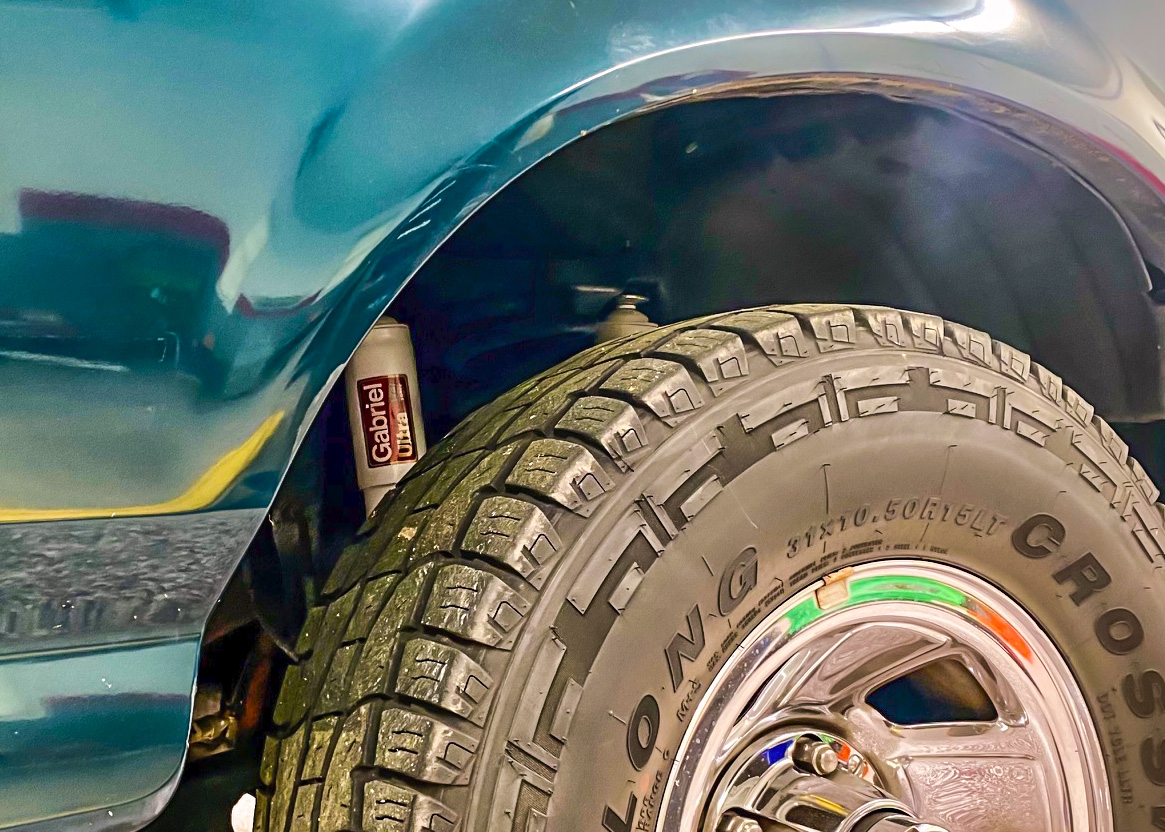
"I just replaced my original 30 year old Ford shocks on my Bronco with Gabriel Ultras and it feels like a brand new truck! Delivery was fast and very reasonably priced. The install was quick and straight forward and the white color looks great. I'm very happy with this product." - Mike in North Carolina
Locust, NC
Product added successfully
Quantity updated successfully
Scratchpad updated successfully

Product added to cart Successfully